How to Maintain Dental Crowns in Oxnard CA for Years
A well-made dental crown can last a long time, often well over a decade, but longevity is rarely an accident. In practice, crowns hold up best when the fit is precise, the bite is balanced, and the patient understands how daily habits affect the tooth underneath. That last part matters more than many people realize. A crown is strong, but it is not indestructible, and it still depends on the health of the natural tooth, the gums around it, and the way you use your mouth every day.
For patients searching for guidance on Dental Crowns Oxnard CA, the most useful advice is usually not flashy. It comes down to thoughtful home care, regular maintenance, and catching small problems early. I have seen crowns last beautifully because someone kept up with cleanings, wore a night guard, and came in when something felt off. I have also seen newer crowns fail sooner than expected because of clenching, decay at the margin, or a habit as simple as chewing ice several times a day.
If you already have a crown, or you expect to get one soon, the goal is not just to protect the porcelain or ceramic on top. The real goal is to preserve the entire system, including the cement seal, the tooth structure under the crown, the neighboring teeth, and the gum tissue that frames everything.
What a crown needs in order to last
A crown covers and protects a damaged or heavily restored tooth. It may be placed after a large cavity, a fracture, a root canal, or years of wear. From the outside, it can look like the problem has been fully solved. In reality, the crowned tooth is still a tooth with vulnerabilities.
The edges of the crown, where it meets the natural tooth, are especially important. That tiny border is where plaque tends to collect, and it is also where new decay can start if oral hygiene slips. People are often surprised by this because they assume the crown itself cannot decay, which is true, but the tooth under and around it certainly can. When decay develops at the margin, the crown may need to be replaced, even if the visible part still looks fine.
The bite also matters. A crown that takes too much force, day after day, can chip, loosen, or contribute to soreness in the surrounding muscles. This is particularly common in people who grind at night. In coastal communities like Oxnard, where active lifestyles and sports are common, I also pay attention to mouth injuries. A stray elbow on a basketball court or a surfboard mishap can damage a crown just as easily as Dental Crowns Oxnard CA a natural tooth.
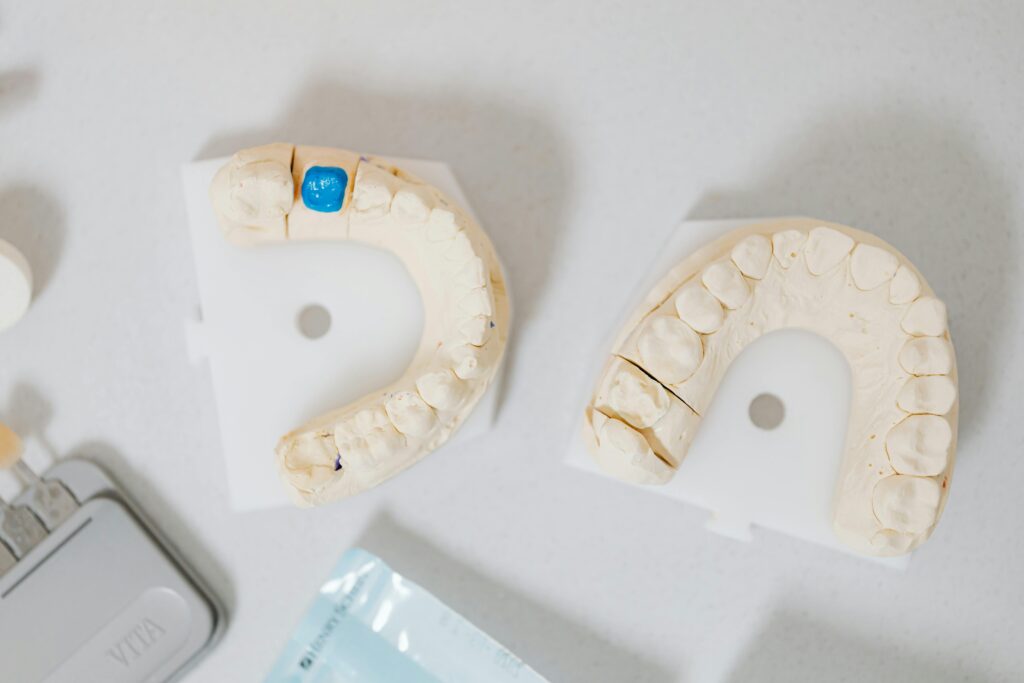
Material plays a role too. Some crowns are all ceramic, some are porcelain fused to another material, and some are made from highly durable monolithic materials. Each has strengths and limitations. A very esthetic front tooth crown may require slightly different care considerations than a molar crown built to withstand heavy chewing.
Daily care is where most of the lifespan is decided
The crowns that last the longest are usually attached to routines that are almost boring in their consistency. Two minutes of brushing twice a day, careful cleaning around the gumline, and daily flossing do more for crown survival than expensive gadgets ever will.
Brushing technique matters more than force. Hard scrubbing does not clean better. It often causes gum recession and can expose more of the crown margin or root surface. A soft-bristled brush, angled gently toward the gumline, is usually the better choice. Electric toothbrushes can be very effective, especially for patients who tend to rush or miss the back molars.
Flossing deserves special attention because the area between a crown and the neighboring tooth is where plaque and food debris often linger. If the contact is tight, some patients stop flossing because it feels awkward. That is exactly when trouble starts. Bleeding, tenderness, or a bad taste around a crowned tooth is often less about the crown itself and more about trapped plaque irritating the gums.
Water flossers can help, especially for bridgework or patients with dexterity limitations, but they should support, not replace, mechanical plaque removal unless your dentist specifically suggests otherwise. A crown surrounded by inflamed gums is much more likely to develop long-term issues.
The habits that quietly shorten crown life
Many crown failures happen gradually. The patient does not notice a dramatic break one day. Instead, the crown endures thousands of small, avoidable stresses over months or years.
The most common culprits include the following:
- Clenching or grinding, especially during sleep
- Chewing ice, pens, hard candy, or nutshells
- Using teeth to open packaging
- Skipping routine exams and cleanings
- Letting dry mouth go unmanaged
Clenching is the one people underestimate most. I have had patients tell me they never grind, then their crowns show the exact wear pattern seen in heavy nighttime bruxism. Sometimes their partner hears it. Sometimes nobody knows until the jaw aches, the crown chips, or the cement starts to fail. A properly fitted night guard can make a remarkable difference.
Dry mouth deserves more attention than it gets. Saliva helps buffer acids and wash away food particles. When medications, mouth breathing, or medical conditions reduce saliva flow, the risk of decay around crown margins increases. That includes patients who otherwise brush well. A dry mouth changes the environment, and the crown margin can become a weak point.
Why gum health matters as much as the crown itself
A crown can be beautifully made and still perform poorly if the surrounding gums are unhealthy. When gums stay inflamed, they can swell, bleed, and recede. That makes the edges of the crown harder to keep clean and can expose vulnerable root surfaces. In front teeth, gum recession can also affect the appearance of the crown, even if the restoration itself remains intact.
This comes up often in patients who had a crown placed years ago and assume it requires no special follow-up. The crown may look stable from the front, but a dental exam often reveals trapped tartar near the gumline or an open margin that was not obvious at home. These findings are usually much easier to manage when caught early.
Professional cleanings are part of crown maintenance for this reason. Hygienists can remove hardened buildup that brushing cannot touch and can spot subtle changes in the tissue around a crown. If your gums bleed every time you floss around one crowned tooth, do not dismiss it as normal. That is worth having checked.
Food choices and real-world chewing patterns
Most people do not need a special diet after a crown settles in, but common sense goes a long way. Very sticky foods can tug on temporary crowns and occasionally stress a permanent one if the bond is already compromised. Extremely hard foods can chip ceramic surfaces or stress the underlying tooth.
The issue is not one popcorn kernel or one crunchy snack. It is repeated force in the same areas over time. Think of the patient who cracks sunflower seeds with the same side every day, or the person who chomps ice during long commutes. A crown can tolerate normal chewing. It does not love repetitive abuse.
Temperature sensitivity can also offer clues. A crowned tooth should not remain highly sensitive to hot or cold for an extended period after placement. If it does, the bite may need adjustment, or the tooth may be signaling another issue. Patients sometimes wait months because the discomfort is mild. Mild symptoms are often the easiest to treat. Severe ones are usually what happen after the early warning signs were ignored.
How often should a crowned tooth be checked?
For most patients, regular six-month dental visits are enough, though some need more frequent care if they have a history of gum disease, heavy buildup, or high cavity risk. During those visits, a dentist will check the crown margins, evaluate the bite, and look for signs of fracture, leakage, or decay underneath.
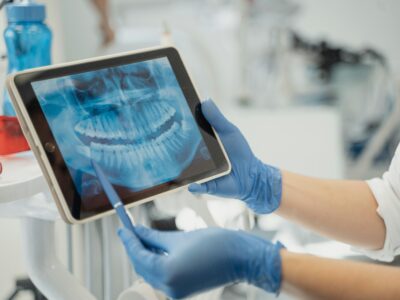
X-rays are often part of this process, especially when the crowned tooth cannot be fully assessed by sight alone. Small recurrent cavities below a crown margin do not always announce themselves with pain. By the time a patient feels something obvious, the repair may be more involved.
In practices that provide Dental Crowns Oxnard CA, dentists also tend to watch for environmental and lifestyle factors. Coastal living itself does not damage crowns, but routines do vary. Athletes who cycle, surf, box, or play contact sports should be particularly thoughtful about mouth protection. A custom mouthguard is often a very good investment, especially if you have multiple restorations.
When a night guard is worth it
If I had to name one protective tool that extends crown life more often than patients expect, it would be the night guard. Not everyone needs one, but for the right patient it can prevent cracks, chipping, loosening, and muscle strain.
People who wake with tight jaws, morning headaches, or sore chewing muscles are strong candidates. So are patients with flattened teeth, chipped enamel, or a history of broken dental work. The cost of a custom guard is usually modest compared with replacing a damaged crown and treating the tooth underneath.
Store-bought guards are better than nothing in some cases, but custom guards fit more accurately and tend to distribute force more evenly. A poorly fitting appliance can create new bite problems or be uncomfortable enough that it ends up unused in a bathroom drawer.
Warning signs that should not be ignored
Crowns rarely fail without leaving clues. The signs may be subtle at first, but they are usually there. Waiting to see if a problem disappears on its own is one of the costliest mistakes patients make.
Call your dentist if you notice any of these:
- A crown that feels loose, high, or different when you bite
- New sensitivity to pressure, heat, or cold that persists
- Bleeding or swelling around the crowned tooth
- A bad taste or odor around one area that keeps returning
- A visible chip, crack, or dark line near the edge of the crown
One patient I remember had a molar crown that felt “a little off” for several weeks, but there was no real pain, so he put it off. When we finally saw him, the issue was not catastrophic, but the cement seal had been compromised and decay had already started near the margin. Had he come in when the bite first changed, the fix would have been simpler. That pattern is common.
Temporary crowns need special care too
The period between tooth preparation and final crown placement is easy to underestimate. Temporary crowns are not built for long-term durability. They are functional placeholders that protect the tooth and preserve spacing while the final crown is being made.
During this phase, patients should be especially careful with sticky foods and should clean gently around the area. If a temporary crown comes off, do not leave it that way for long. The tooth can shift, become sensitive, or make the final fit more difficult. Even a short delay can create unnecessary complications.
I have seen patients manage temporary crowns very well simply by chewing on the opposite side when possible and taking a little extra time when flossing. Small adjustments in behavior during those few weeks can prevent an irritating setback.
Crown material changes the conversation slightly
Not all crowns behave exactly the same way. A front tooth crown is often judged heavily on appearance, translucency, and gum harmony. A back molar crown is judged mainly on strength and bite stability. Material choice reflects that.
All-ceramic crowns can look excellent, especially in visible areas. Monolithic zirconia and other highly durable materials are often selected for posterior teeth where force is greater. Some older crowns have a porcelain layer over a stronger substructure, and while many perform very well, that outer porcelain can chip under certain conditions.
From a maintenance perspective, the key point is this: no crown material gives permission to neglect the basics. Even the strongest crown can fail if decay starts underneath it or if the tooth root fractures from unmanaged bite stress.
The role of bite adjustments after placement
A newly placed crown should not feel dramatically different after the initial adjustment period. It may feel unfamiliar for a day or two because your tongue notices every small change, but it should not feel tall, unstable, or awkward when chewing.
When a crown is even slightly high, the tooth can absorb excessive force. Patients often describe this as “hitting first” when they bite down. Over time, that can lead to tenderness, sensitivity, or fractures. A quick adjustment Dental Crowns Oxnard CA in the dental office can often solve the problem. Delaying that visit can turn a simple correction into a more serious issue.
This is one reason follow-up matters. Good dental work is not just about placing the crown, it is about confirming that it functions harmoniously with the rest of the mouth.
Home care products that help, and those that matter less
Patients often ask which toothpaste, rinse, or tool will add years to a crown. The answer is less glamorous than marketing suggests. Fluoride toothpaste remains one of the most important products because it helps protect the exposed natural tooth structure around the crown margin. If cavity risk is high, your dentist may recommend a stronger formula.
Alcohol-free rinses can be useful for patients with dry mouth or irritated tissue. Interdental brushes can help in areas with larger spaces, though they should be used correctly to avoid trauma. Whitening toothpaste should be used thoughtfully, especially if it is highly abrasive. The goal is to clean effectively without wearing away tooth structure or irritating the gums.
Many premium products offer convenience or improved feel, but consistency beats novelty. The patient who uses a basic fluoride toothpaste twice a day and flosses every night usually does better than the patient with a shelf full of products and inconsistent habits.
If your crown is older, pay even closer attention
Older crowns deserve a more watchful eye, even if they have never caused trouble. Dental materials age. Cement seals can weaken. Gumlines can change. The supporting tooth can develop decay in places that were impossible to predict years earlier.
This does not mean an older crown is a problem by definition. I have seen crowns serve patients well for fifteen years or more. It simply means the maintenance mindset should become more active, not less, as time passes. If a crown is aging alongside several large fillings, gum recession, or heavy wear from grinding, the whole area should be monitored carefully.
Patients in need of evaluation for Dental Crowns Oxnard CA often assume replacement is only necessary when a crown breaks. In reality, replacement is sometimes recommended because the supporting conditions have changed. A small margin leak caught at the right time may allow for conservative intervention. A neglected one can lead to root canal treatment, core buildup, or extraction.
The best long-term strategy
The crowns that last are usually part of a broader pattern of dental stability. The patient keeps regular appointments, reports changes early, protects against grinding if needed, and does not treat dental work like permanent armor. That mindset makes a measurable difference.
If you want your crown to still be doing its job many years from now, think less about the crown as a separate object and more about the environment around it. Keep the gums healthy. Keep the bite balanced. Keep decay risk low. Respect warning signs. Those simple habits are what turn a good restoration into a durable one.
For anyone with Dental Crowns Oxnard CA, the practical formula is straightforward: clean well, chew wisely, wear protection when indicated, and let your dentist check the area before a minor issue becomes an expensive one. That is how crowns earn their full lifespan, and often more.
Omni Dental Specialty
1690 E Gonzales Rd
Oxnard, CA 93036, United States
Phone: +1 805-410-9603
FAQ About Dental Crowns Oxnard CA
What is the average cost of a crown in California?
The fee depends on the crown material, tooth condition and any additional treatment. Request an itemized estimate from Omni Dental Specialty after an examination, and confirm insurance benefits before scheduling.
How long do dental crowns last?
Longevity varies with the material, fit, oral hygiene and biting habits. Regular dental reviews help identify wear, damage or decay. A crown does not need replacement solely because it reaches a particular age.
Do teeth go bad under crowns?
Decay can develop in the remaining natural tooth, particularly near the crown margin. Brush with fluoride toothpaste, clean between teeth daily and keep dental appointments. Report new pain or looseness promptly.
Which crown is best for bruxism?
No material suits everyone. Your dentist assesses grinding, tooth position, bite forces and appearance before recommending a crown. A protective appliance may also be recommended to manage stress on the restoration.