Dental Crowns Explained: Types, Benefits, and Costs
A dental crown is one of those treatments patients often hear about long before they understand what it actually does. Someone Dental Crowns is told they need one after a root canal. Another person chips a molar and learns a filling will not be strong enough. A parent hears that a child may need a stainless steel crown on a baby tooth and feels caught off guard. The term is familiar, but the details are usually not.
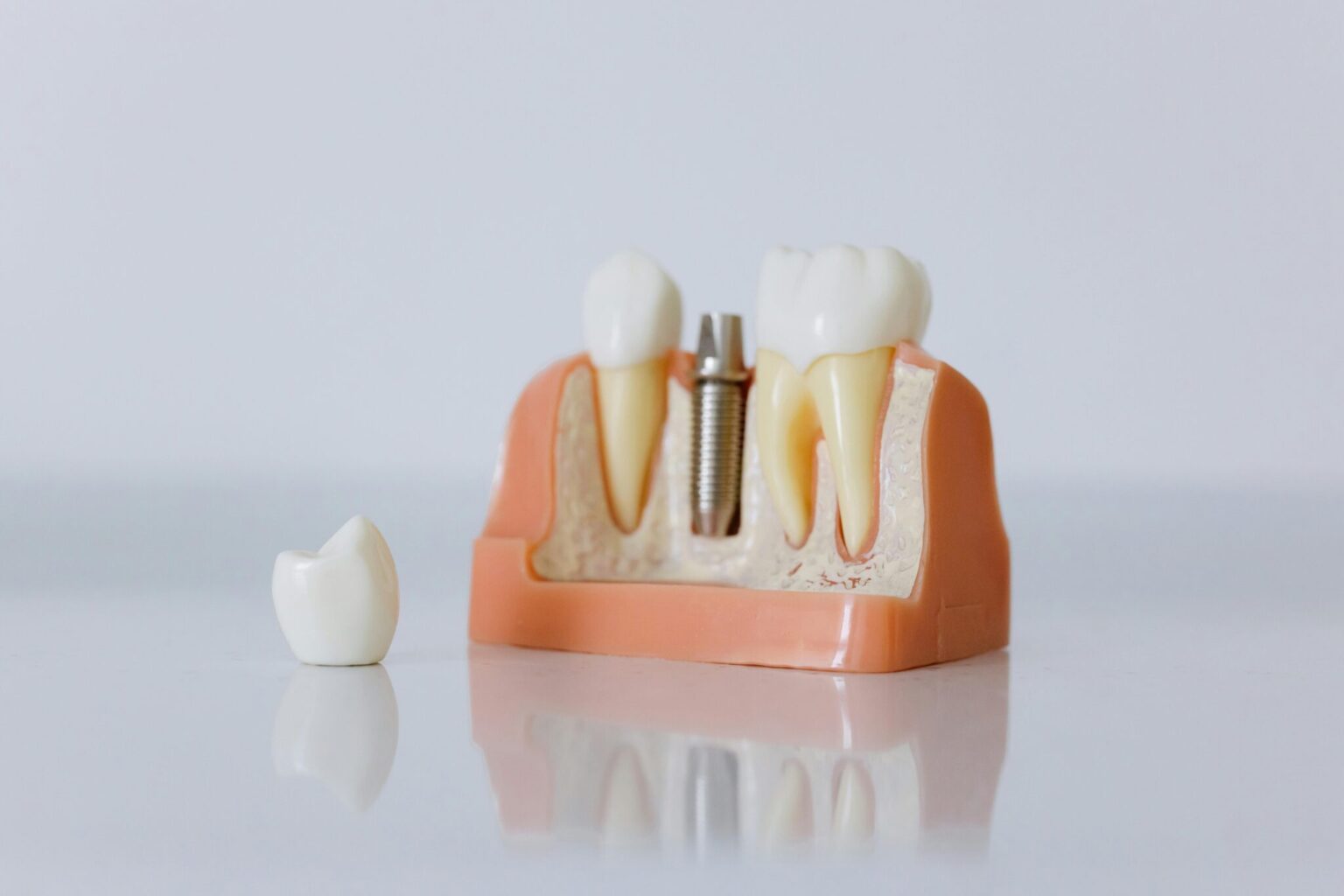
At its simplest, a crown is a custom-made cap that covers a damaged, weakened, or heavily restored tooth. Its job is to bring back shape, strength, and function. In many cases, it also improves appearance. That sounds straightforward, but choosing the right crown involves more judgment than most people expect. Material matters. Tooth position matters. Bite force matters. Budget matters. So does the condition of the tooth underneath.
Dentists recommend dental crowns for good reasons, but not every crown is the same, and not every situation should be treated the same way. A front tooth with a visible fracture has different demands than a back molar that grinds through years of nighttime clenching. A person who values the most lifelike esthetics may make a different choice than someone who needs the longest-lasting solution at a lower cost.
Understanding those trade-offs makes the whole process less mysterious and usually leads to better decisions.
What a dental crown actually does
A healthy tooth is remarkably strong, but it has limits. Once a tooth is cracked, deeply decayed, worn down, or filled to the point that there is not much natural structure left, it becomes vulnerable. A regular filling replaces missing tooth material, but it does not always protect the remaining walls of the tooth from splitting under pressure. That is where a crown becomes useful.
A crown encases the visible portion of the tooth above the gumline. After the tooth is shaped, the crown fits over it like a helmet tailored to that exact tooth. The goal is not simply to cover damage. It is to redistribute biting forces and protect what remains.
This distinction matters. Patients sometimes think a crown means the tooth has been “fixed forever.” It is better to think of it as a highly effective reinforcement. The tooth underneath is still a real tooth. It can still develop decay at the margin if hygiene slips. It can still have gum issues. If the crack extends too deep, even a well-made crown cannot always save it long term.
That said, when used appropriately, crowns are one of the most reliable restorative tools in dentistry.
When a crown is usually recommended
There is no single rule that says a tooth must reach a certain percentage of damage before it gets crowned. Dentists weigh several factors, including how much healthy tooth remains, whether the tooth has had root canal treatment, where it sits in the mouth, and how hard the patient bites.
Common reasons include:
- A tooth is badly broken, worn, or cracked
- A large filling has weakened the tooth
- A root canal-treated tooth needs protection
- A dental implant or bridge needs a visible replacement tooth
- Cosmetic correction is needed when other options will not hold up
One of the most common examples is a molar after root canal treatment. Once the nerve is removed and a large area is cleaned out, the tooth often becomes more brittle over time. On a back tooth, where chewing force is highest, a crown is often the difference between years of service and a sudden vertical fracture.
Another familiar situation is the old silver filling that was placed decades ago and now takes up half the tooth. Patients are often surprised when the dentist says replacing the filling with another filling is no longer the safest route. In practice, that makes sense. If the walls of the tooth are thin, another large filling may act less like a repair and more like a setup for a crack.
The main types of dental crowns
Not long ago, the discussion around crowns was simpler. Porcelain-fused-to-metal was common, gold was still widely respected, and full porcelain was used more selectively. Today, materials have expanded, and so have patient expectations. People want strength, but they also want their teeth to look natural in every light and from every angle.
Porcelain or all-ceramic crowns
These are popular for front teeth and increasingly common for back teeth as materials improve. They offer excellent esthetics because they can mimic the translucency and color variation of natural enamel. When they are done well, they blend beautifully.
The best candidates are often people who prioritize appearance, especially on teeth visible when they smile or speak. They are also useful for patients with metal sensitivities or those who prefer metal-free dentistry.
The trade-off is that some ceramic crowns can be more technique-sensitive and, depending on the exact material, may be less forgiving in patients with heavy grinding. Modern zirconia-based ceramics have changed that equation somewhat, but not all ceramics perform the same way.
Zirconia crowns
Zirconia has become one of the workhorses of restorative dentistry. It is strong, durable, and often a solid option for molars and premolars where biting force is intense. Many dentists appreciate zirconia because it can handle demanding situations that would challenge more delicate ceramics.
Older zirconia crowns sometimes had a reputation for looking a bit opaque, especially in visible areas. Newer generations are more esthetic, though the most lifelike front-tooth work may still rely on other ceramic options depending on the case.
Patients who clench or grind often hear zirconia mentioned early in the conversation, and for good reason. It tends to hold up well, though bite design and proper adjustment matter just as much as the material itself.
Porcelain-fused-to-metal crowns
These crowns have a metal substructure with porcelain layered on top. For years, they were a standard solution because they balanced strength and appearance. They still have valid uses, especially where durability matters and esthetics are important but not under extreme scrutiny.
The downside is that the porcelain layer can chip, and over time a dark line may become visible near the gums if the gum tissue recedes. That does not mean the crown has failed, but it can be a cosmetic issue, particularly on front teeth.
Many adults still have porcelain-fused-to-metal crowns placed years ago that continue to function perfectly well. They may not always be the first choice in a modern cosmetic case, but they remain a proven option.
Gold and other metal crowns
Gold crowns are less common now mostly for cosmetic reasons, not because they perform poorly. In fact, they remain one of the most durable and tooth-friendly restorations available. A well-made gold crown on a back molar can last a very long time, and it tends to wear in a way that is kind to the opposing tooth.
Patients who choose gold usually do so because they understand its strengths and do not mind the look in a less visible area. In day-to-day chewing, especially for someone with a strong bite, gold has a quiet reputation for longevity that many dentists still respect.
Other metal alloys can also be used, though gold remains the classic example.
Stainless steel crowns
These are typically used as temporary crowns for adults or as durable restorations for children’s primary teeth. In pediatric dentistry, stainless steel crowns can be extremely practical. A baby molar with extensive decay may not do well with a simple filling if too much tooth structure is missing. A stainless steel crown can protect the tooth until it naturally falls out.
Parents sometimes react strongly to the idea because the crown is metallic and visible if the child opens wide. Functionally, however, it can be a very sensible treatment.
How the process works
For a traditional crown, treatment usually takes two visits. At the first appointment, the dentist examines the tooth, removes decay or old restorative material, and shapes the tooth so the crown will fit properly. If the tooth is too damaged, a build-up may be placed first to recreate enough structure for the crown to hold onto.
Impressions are then taken, either with digital scanning or traditional putty-like materials. A temporary crown is placed while the final crown is made in a lab. At the second visit, the temporary comes off, the fit is checked, the bite is adjusted, and the final crown is cemented.
Same-day crowns are also available in some offices. These use in-house scanning and milling systems to design and fabricate a ceramic crown during a single appointment. For the right case, this can be convenient. Still, not every tooth is ideal for same-day treatment, and not every office uses the same materials or workflow. Speed is useful, but fit, bite, and material choice are more important than saving one visit.
One point that is worth knowing ahead of time: a temporary crown is not just a placeholder. It protects the prepared tooth and helps maintain spacing and gum contour. If it comes loose, it should not be ignored for days.
What a crown feels like afterward
A properly fitted crown should feel like your tooth, not like a foreign object you are constantly aware of. There may be mild sensitivity for a few days, especially to cold or pressure, but persistent pain is not something patients should simply “wait out” for weeks.
The two most common early complaints are a bite that feels high and temperature sensitivity. A high bite can make the crowned tooth feel tender when chewing and can even trigger jaw soreness or headaches in people who are sensitive to bite changes. Fortunately, that is often easy to correct with a small adjustment.
Sensitivity is more nuanced. Some teeth calm down quickly after being prepared, while others remain irritable, especially if the tooth already had a large filling or a history of stress. If the nerve was borderline before the crown, the crown itself can sometimes reveal that the tooth was never going to remain comfortable long term. That does not mean the crown caused the problem. It may mean the tooth was already compromised.
Benefits that go beyond appearance
Many people first think of crowns as cosmetic dentistry, and they certainly can improve appearance. A discolored or misshapen tooth can be transformed dramatically. Still, the practical benefits often matter more.
A crown can make a weak tooth serviceable again. It can let a person chew comfortably on a side they have avoided for months. It can prevent a cracked tooth from breaking beyond repair. It can also restore confidence, especially when a damaged front tooth affects speech or self-consciousness in conversation.
There is also a quality-of-life angle that tends to get overlooked. Dental problems rarely stay still. A tooth that hurts intermittently, traps food, or chips repeatedly pulls attention throughout the day. Patients often do not realize how much mental bandwidth that consumes until the issue is finally stabilized.
Costs and what affects them
The cost of dental crowns varies widely by region, office, material, and complexity. In many parts of the United States, a single crown may range roughly from $900 to over $2,500. Some cases fall outside that range, particularly if specialist treatment, extensive build-up, or implant components are involved.
Several factors influence price. The material Dental Crowns is one of them, but not the only one. A high-quality crown involves the dentist’s preparation, impression or scan quality, lab fabrication, bite design, follow-up adjustments, and the condition of the tooth itself. A simple crown on a straightforward tooth is different from a crown on a heavily broken tooth near the gumline that needs additional reinforcement.
Insurance coverage can help, though policies vary. Many dental plans contribute toward crowns when they are deemed medically necessary, but there may be waiting periods, annual maximums, or frequency limitations. Some plans cover a percentage after the deductible, often around half, but that is not universal.
Patients sometimes compare crown fees from one office to another and assume they are comparing the same product. Often they are not. Two crowns can look similar on paper and differ meaningfully in material quality, laboratory craftsmanship, planning, and aftercare. A low fee is not automatically a red flag, and a high fee is not automatically a guarantee. What matters is value, not sticker price alone.
Why some crowns fail sooner than expected
Crowns have a reputation for durability, and that reputation is deserved, but they are not indestructible. In real practice, failures are usually tied to a small set of recurring issues.
- Decay forms at the edge of the crown
- The underlying tooth cracks or fractures
- The cement seal breaks down and the crown loosens
- The bite places too much stress on the crown or tooth
- Gum disease undermines support around the tooth
Decay at the margin is probably the most frustrating because patients often assume a crowned tooth cannot get a cavity. It can. The crown itself does not decay, but the tooth at the edge absolutely can. Flossing, brushing carefully along the gumline, and managing dry mouth risk all matter.
Grinding is another major factor. A beautifully made crown can still chip, wear, or contribute to tooth stress if someone clenches heavily at night and does not use a guard when recommended. In those patients, a night guard is less an accessory and more part of the long-term treatment plan.
Then there are edge cases. Some teeth are already so compromised that even a crown is essentially a best effort rather than a guarantee. Teeth with deep cracks, minimal remaining structure, or repeated prior treatment can last years, or they can declare themselves quickly despite careful work. Good dentists usually explain that uncertainty clearly.
Crowns versus fillings, onlays, and veneers
Patients often ask whether a crown is truly necessary or whether a more conservative option could work. That is a fair question.
A filling is less invasive and less expensive, but it depends on enough healthy tooth structure remaining to support it. An onlay or partial crown covers part of the tooth and preserves more natural enamel than a full crown, which can be an excellent option when the damage pattern allows it. Veneers, by contrast, are primarily cosmetic and cover only the front surface, so they are not substitutes when strength is the main concern.
The best treatment is not always the biggest treatment. Some teeth genuinely do better with an onlay than a full crown. Others are being held together by little more than habit and need full coverage to survive. The art lies in choosing enough treatment, but not more than necessary.
Questions worth asking before you say yes
A short conversation before treatment can prevent a lot of regret later. Patients do not need to become experts, but they should understand why a crown is being recommended and what alternatives exist.
A few useful questions include what material is best for that specific tooth, whether the tooth might need root canal treatment now or later, how much natural tooth remains, and whether grinding could shorten the crown’s life. It is also reasonable to ask whether an onlay or large filling is still a sound option, and what signs would suggest the tooth has a guarded prognosis.
When dentists answer those questions comfortably and specifically, patients usually feel the difference.
Caring for a crown so it lasts
Crowns do not demand complicated maintenance, but they do reward consistency. Brush thoroughly, especially where the crown meets the gumline. Floss daily. Keep regular cleanings and exams so small issues are caught early. If a dentist recommends a night guard, wear it. If food starts packing around a crown or floss shreds in one area, have it checked before it becomes a bigger problem.
Most importantly, do not assume that because a crown is cemented in place, it no longer needs attention. The healthiest long-lasting crowns are usually on patients who treat them like natural teeth, not like permanent hardware.
How long do dental crowns last?
The honest answer is that it depends. Ten to fifteen years is a common benchmark people hear, and many crowns do last that long or longer. Some fail earlier. Others remain functional for twenty years or more. Material, oral hygiene, bite forces, decay risk, and the condition of the tooth underneath all shape the outcome.
I have seen modest-looking crowns on well-maintained mouths quietly last for decades. I have also seen expensive new crowns fail early because the underlying bite problem was never addressed or the tooth was already too compromised. Longevity comes from the whole system, not just the crown itself.
That is the key point people tend to remember after the technical details fade. A crown is not merely a cap. It is a strategy for preserving a tooth that has lost some of its natural margin for error. When chosen thoughtfully, designed well, and maintained properly, it can be one of the best investments in long-term oral function a patient makes.
Omni Dental Specialty
1690 E Gonzales Rd, Oxnard, CA 93036, United States
+1 805-410-9603
FAQ About Dental Crowns
How long do crowns last on teeth?
A dental crown often lasts about five to fifteen years, although some last longer. Material, the underlying tooth, oral hygiene and grinding habits affect longevity. Regular dental examinations help identify wear, decay or a loose crown; no lifespan is guaranteed.
How much does a tooth crown cost?
There is no single price for every crown. Material, laboratory work, the condition of the tooth and any additional treatment affect the fee. Ask for a written estimate and confirm your insurance benefits, exclusions and out-of-pocket costs before treatment.
What is the downside of crowns on teeth?
A conventional crown usually requires irreversible removal of some tooth structure. Possible problems include sensitivity, chipping, loosening and decay at the crown margin; some teeth later need root canal treatment. Discuss your tooth's condition, material choices and suitable alternatives with your dentist.